


Views: 0 Author: Site Editor Publish Time: 2026-09-26 Origin: Site


The reality of injection molding is undeniable. Dimensional stability inevitably degrades unless you implement aggressive, standardized tool maintenance. Precision is never permanent. Every cycle applies immense mechanical and thermal stress to the tool steel. Poorly maintained molds quickly lead to flash, warpage, and out-of-spec parts. These defects directly drive up production costs. They also severely delay your time-to-market. When tools fail unexpectedly, the entire supply chain suffers. You need robust, documented procedures to stop this degradation before it starts. This article provides a clear framework for evaluating tooling maintenance protocols. We will explore critical wear points, industry standards, and routine procedures. You will learn exactly what to demand from your manufacturing partners. By understanding these maintenance tiers, you can ensure long-term dimensional precision and keep production running smoothly.
Injection mold tolerance is directly tied to the frequency and depth of preventative tool maintenance.
High-volume, high-precision tools require documented Standard Operating Procedures (SOPs) based on SPI (Society of Plastics Industry) classifications.
Evaluating a supplier’s maintenance logs and predictive wear protocols is critical before awarding a production contract.
Cooling channel scale, venting clogs, and gate wear are the primary maintenance-related culprits behind dimensional drift.
Thermal fatigue destroys tool steel gradually. Every injection cycle blasts the cavity. Temperatures spike rapidly as molten plastic enters. Then, cooling lines freeze the polymer solid. This rapid cycling expands and contracts the metal continuously. Over hundreds of thousands of cycles, micro-cracks form. Clamping forces add massive mechanical stress simultaneously. The press crushes the mold halves together under extreme tonnage. Abrasive resins wear down the surface further. Glass-filled nylons act like liquid sandpaper against the steel. These combined factors alter the tool geometry significantly. You lose critical dimensions over time. The original design intent vanishes.
Specific mechanical wear causes immediate variation. Core pins deflect under high injection pressure. This deflection bends the metal slightly during filling. Over time, the pin loses its true center permanently. Parting lines also flatten from repeated clamping. Crushed parting lines allow plastic to escape the cavity. This creates flash on your parts. Flash alters the final dimensions entirely. You fail to meet tight injection mold tolerance specifications. Reject rates skyrocket immediately. Assembly lines halt due to mismatched components.
Compare routine upkeep against massive production penalties. Routine wipe-downs cost very little labor. Greasing ejector pins takes only minutes per shift. Unplanned downtime costs thousands of dollars per hour. Scrapped production runs waste expensive raw materials. Complete tool rebuilds drain capital budgets entirely. Preventative care protects your bottom line directly. You spend pennies today to save dollars tomorrow. Smart manufacturers view maintenance as an active profit center.
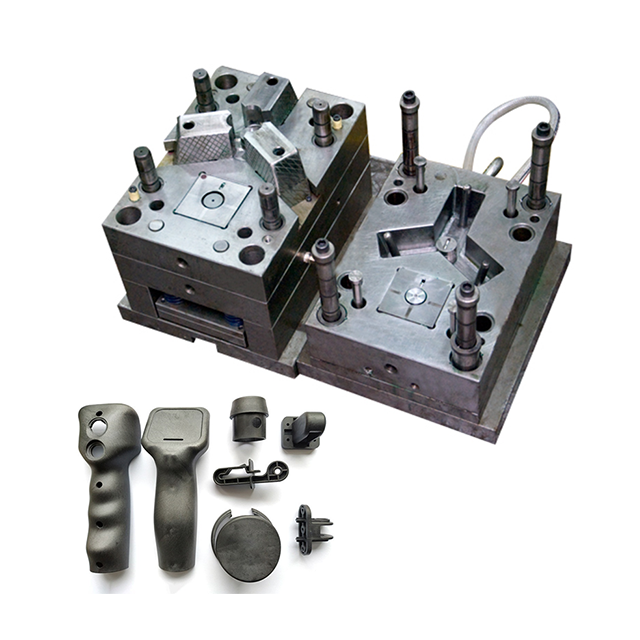
Routine maintenance happens daily at the press. Operators perform these tasks between production runs. They wipe down parting lines carefully using specialized solvents. They inspect cooling hoses for minor water leaks. They apply specific lubricants to ejector pins. You must do this diligently. Consider a complex automotive part. Minor surface defects trigger instant assembly rejection. Flash prevents proper part mating during automated assembly. Daily checks prevent these minor defects from escalating into catastrophic failures.
Preventative maintenance follows strict industry schedules. Industry professionals rely on SPI standards universally. The Society of Plastics Industry categorizes molds by expected lifespan. You schedule tear-downs based on these precise classifications. Technicians dismantle the entire assembly systematically.
Class 101 (1 Million+ Cycles): Requires preventative tear-downs every 100,000 cycles.
Class 102 (Up to 1 Million Cycles): Needs deep cleaning every 50,000 to 75,000 cycles.
Class 103 (Under 500,000 Cycles): Mandates inspection every 25,000 cycles.
Technicians clean components using ultrasonic tanks during these tear-downs. Ultrasonic waves remove microscopic debris effectively. They also replace perishable items immediately. O-rings and return springs degrade quickly under heat. Fresh components restore baseline performance. When operating a high precision plastic injection mold for medical devices, this step is non-negotiable.
Predictive maintenance uses condition-based monitoring technology. Modern smart molds contain embedded pressure sensors. These sensors track cavity pressure anomalies in real time. They also monitor temperature spikes across the core. Software analyzes cooling flow rates continuously. Drop-offs in flow indicate mineral scale buildup. You detect this scale before warpage occurs. Predictive data tells you exactly when to intervene. It eliminates guesswork completely. It moves your strategy from reactive to proactive.
Venting and gas evacuation points fail often. Air must escape the cavity quickly during injection. Injected plastic pushes this air out rapidly. Vents are incredibly shallow grooves cut into the steel. They clog easily from resin off-gassing. Blocked vents cause localized burning on the part. Engineers call this phenomenon dieseling. Trapped oxygen ignites under immense pressure. Dieseling destroys the steel surface permanently. Clogged vents also cause short shots. Plastic cannot fill the entire cavity properly. You get inconsistent material packing. Dimensions vary wildly from shot to shot.
Cooling channel degradation destroys dimensional stability. Water flows through the tool continuously to extract heat. Industrial facility water contains calcium and minerals. These minerals stick to the channel walls over time. Scale buildup acts as a powerful thermal insulator. Heat transfer efficiency drops drastically. The mold cools the plastic unevenly. Uneven cooling causes severe part warpage. This warpage ruins injection mold tolerance completely. You must descale channels regularly using acid flushing.
Gate and runner erosion happens subtly. Gates restrict plastic flow intentionally to generate shear. This creates high shear heat for better filling. Abrasive polymers destroy gate geometry over time. Glass-filled resins are particularly destructive. They open up the gate diameter slowly. A larger gate alters cavity pressure drastically. It changes how the plastic packs during the hold phase. Final part dimensions drift out of specification. You must inspect gates during every PM cycle. We often use replaceable gate inserts to manage this wear.
Moving components suffer extreme mechanical friction. Sliders and lifters create complex part features like undercuts. Ejector pins push the final part out of the cavity. These components slide against bare steel continually. Friction wears down the bearing surfaces steadily. The alignment shifts slightly over time. Shifting components create uneven wall thicknesses. They also introduce flash points along the parting line. Regular greasing delays this wear significantly. Replacing worn wear-plates restores initial alignment.
Table 1: Critical Mold Wear Points and Corrective Actions
Wear Point | Impact on Tolerance | Required Maintenance Action |
|---|---|---|
Vents | Short shots, inconsistent packing, dieseling | Daily wipe-downs; ultrasonic cleaning every PM cycle |
Cooling Channels | Uneven shrinkage, severe warpage | Flow rate monitoring; chemical descaling |
Gates | Pressure loss, dimensional drift | Visual inspection; replacing modular gate inserts |
Lifters/Sliders | Wall thickness variation, flash | Routine lubrication; replacing bronze wear plates |
Documented tooling logbooks provide absolute transparency. Every tool needs a distinct, traceable history. Buyers must verify these records directly before signing contracts. Ask your injection mold tolerance supplier for proof of past logs. The logbook tracks every preventative maintenance event. It lists replaced components clearly. It records unexpected damage and subsequent repairs. Traceable logs prove the supplier cares about longevity. They show a commitment to continuous quality.
First Article Inspection matters immensely after maintenance. Major tear-downs disturb the tool geometry inherently. Reassembling components can shift alignments slightly. You must run validation shots immediately after reassembly. Technicians inspect these parts using CMM equipment. A Coordinate Measuring Machine verifies dimensions accurately against the CAD model. FAI proves the tool recovered its baseline tolerance. Never resume production without this validation.
Ownership and liability require clear contractual terms. Buyers own the physical tool in most arrangements. Suppliers operate and maintain it daily. Contracts must specify who pays for what explicitly.
Routine Upkeep: Suppliers typically cover daily cleaning and greasing.
Preventative Maintenance: Overhead costs usually include standard ultrasonic cleaning.
End-of-Life Refurbishment: Buyers often pay for major welding or re-machining.
Define these terms clearly upfront. Ambiguity leads to neglected maintenance and ruined tools.
Auditability reveals the truth during facility tours. Look for specific red flags on the shop floor. Does the tool room look disorganized? Do they lack dedicated ultrasonic cleaning equipment? Are molds sitting directly on the concrete floor? Disorganization guarantees poor maintenance practices. A clean, well-lit tool room signals discipline. Standard operating procedures must be visible everywhere. Technicians should have immediate access to cleaning stations and measurement tools.
Rigid maintenance programs carry an upfront premium. Quality suppliers charge slightly more per part. They bake maintenance labor into their operational overhead. Cheap tooling suppliers ignore upkeep entirely to win bids. Their piece-price looks attractive initially. However, hidden defect costs destroy your margins quickly. Poor maintenance guarantees out-of-spec parts eventually. You pay engineers to sort bad parts manually. Rework costs eat up your budget rapidly. Line-down fees penalize you heavily when schedules slip. The upfront premium is a direct investment in stability. It guarantees your production runs predictably.
Rigid schedules mitigate supply chain risks directly. Complex geometries require extremely tight process windows. The tool must operate perfectly every single time. Preventative care acts as an insurance policy for your assembly line. It guarantees continuous production without interruption. You never miss a critical delivery deadline. Unplanned tool failures halt your assembly line instantly. Dedicated upkeep prevents these catastrophic failures. Prioritize suppliers who invest heavily in their tooling infrastructure. Their discipline protects your market reputation.
Specifying tight dimensions on a drawing is easy. Holding them in high-volume production is incredibly difficult. A drawing is completely useless if the tool degrades mechanically. You must enforce aggressive maintenance protocols to succeed. Prioritize suppliers offering transparent, data-backed procedures. Demand detailed SOPs for every new project. Consult your engineering team today. Review tool life guarantees thoroughly. Establish solid maintenance agreements before launching new production runs. Take action now to secure long-term part quality.
A: Tear-down frequency depends on the SPI classification and material abrasiveness. Class 101 molds require deep maintenance every 100,000 cycles. Class 103 molds need inspection every 25,000 cycles. Highly abrasive materials, like glass-filled nylons, cut these cycle thresholds in half to prevent excessive gate and runner wear.
A: It depends on the root cause. Reversible issues like clogged vents or scaled cooling lines resolve easily with deep cleaning. Irreversible wear, such as eroded tool steel or crushed parting lines, requires intensive repair. You must use micro-welding or re-machining to restore the original geometry.
A: Commercial tolerances allow wider dimensional variation, keeping manufacturing costs low. Precision tolerances (defined by stringent DIN/ISO metrics) require exact dimensional conformity. Maintenance demands scale exponentially as tolerances tighten. A minor alignment shift acceptable in commercial molding will ruin a precision aerospace component instantly.
A: Clean cooling lines ensure uniform heat transfer across the tool. Uniform temperatures allow the polymer to cool and shrink predictably. Mineral scaling acts as an insulator, creating hot spots. These hot spots cause localized, uneven shrinkage, leading directly to part warpage and failed dimensional checks.


