


Views: 0 Author: Site Editor Publish Time: 2026-10-22 Origin: Site


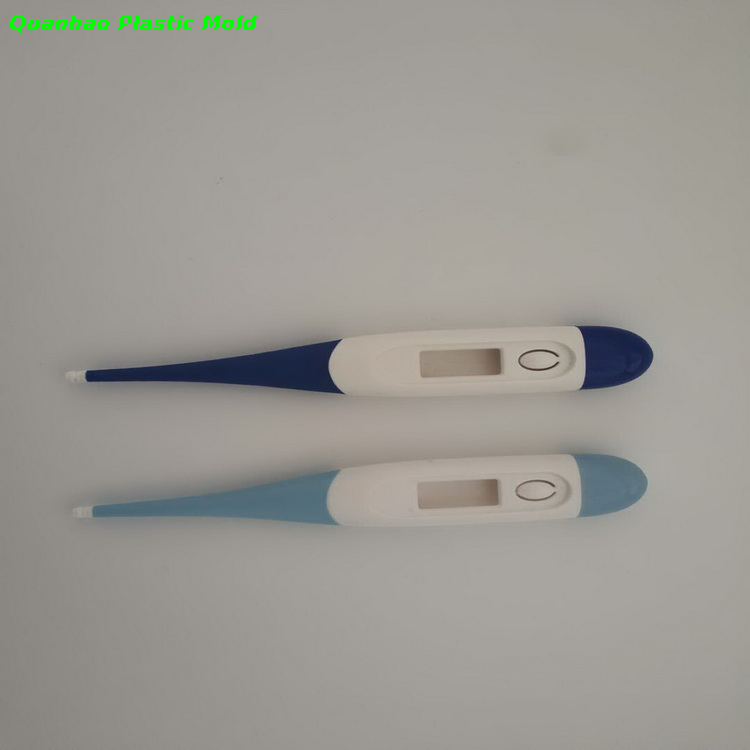
How can healthcare components maintain consistent quality in every production run? A reliable Medical Mold helps ensure precise dimensions, stable performance, and fewer defects. This article explores mold design, material selection, quality control, and validation. Discover how the right technology supports reliable healthcare manufacturing.
Precision begins with a clear understanding of the component's geometry and functional requirements. Medical plastic components may contain small openings, thin walls, sealing surfaces, clips, threads, or assembly features. These details can affect how a component fits and functions within a larger device. If the mold cavity does not reproduce them accurately, the finished parts may vary in size or shape. Such variation can create assembly difficulties, interfere with connections, or cause a component to fall outside its approved specifications.
A well-engineered Medical Mold starts with accurate drawings and a detailed design review. Engineers identify critical dimensions, tolerance requirements, draft angles, wall thicknesses, and possible undercuts. They also consider resin shrinkage and the effects of cooling. These factors help determine cavity dimensions, parting lines, gate positions, and ejection methods. Computer-aided design allows engineers to review geometry before machining begins. Mold flow analysis can also help identify potential filling problems, although physical trials remain necessary to confirm performance.
Repeatability is just as important as initial accuracy. A mold must produce parts that remain consistent across multiple cycles. Precision machining, suitable mold materials, accurate assembly, and stable processing all contribute to this goal. Manufacturers should inspect critical mold features and measure sample parts against approved drawings. They should also document deviations and corrective actions. This provides a stronger basis for quality decisions than relying on visual inspection alone.
Note: Define critical dimensions and acceptance limits before tooling begins. This helps prevent disagreements during sample approval and production release.
A precise mold cannot guarantee reliable components if the molding process changes unpredictably. Melt temperature, injection speed, holding pressure, cooling time, and material condition all influence the finished part. Small changes may affect dimensions, surface appearance, shrinkage, or mechanical properties. Moisture-sensitive resins require particular attention because improper drying can affect processing and final performance. Manufacturers must therefore control both tooling quality and production conditions.
Process stability starts with establishing suitable molding parameters during trials. Technicians should record the conditions used to produce acceptable samples. They can then monitor important variables during production and compare finished parts against the approved requirements. Where appropriate, statistical process control can help identify trends before variation becomes excessive. Sampling plans should reflect the component's critical features, production volume, and customer requirements.
Batch consistency also depends on material handling and equipment maintenance. Resin should be stored and prepared according to its technical data. Machine settings should not be changed without assessing their potential effects. When a defect appears, the team should investigate its cause rather than repeatedly adjusting parameters without evidence. A structured approach helps distinguish mold problems from material or process issues.
For buyers, documented production controls provide useful evidence of manufacturing capability. Ask suppliers how they establish process parameters, inspect samples, manage nonconforming parts, and record corrective actions. These procedures help support repeatable output. They do not replace application-specific validation, but they provide a practical foundation for consistent manufacturing.
Cavity geometry determines the shape and many functional features of a molded component. In healthcare applications, these features may include fluid channels, connector openings, transparent sections, sealing surfaces, or precise interfaces. Their requirements vary according to the product. A housing may need accurate assembly features, while a transparent container may require clear visual inspection of its contents. Mold design should reflect these functional needs from the beginning.
Wall thickness, corner radii, ribs, and gate positions influence how plastic fills the cavity and solidifies. Sudden thickness changes may create uneven cooling or sink marks. Poorly positioned gates can affect weld-line locations or leave marks on visible surfaces. Engineers should review these risks before finalizing the mold. They may use simulation to compare design options, but trial molding is still needed to evaluate actual results.
Surface finish also deserves careful planning. Polished cavities can support clear or glossy surfaces, while controlled textures create specific visual or tactile effects. Scratches, contamination, or inconsistent polishing may transfer to the molded component. For parts requiring transparent surfaces, even minor defects may interfere with visual inspection or product appearance. The required finish should therefore be defined using drawings, approved samples, or agreed inspection standards.
The design should also account for cleaning and assembly requirements where relevant. Surface features and joints must suit the component's intended use. However, mold finish alone does not establish cleanliness, biocompatibility, or suitability for clinical use. These depend on materials, manufacturing controls, validation, and applicable product requirements.
Tip: Specify functional surfaces separately from cosmetic surfaces. This helps the mold maker focus inspection efforts on the features that matter most.
Cooling affects shrinkage, dimensional stability, and cycle consistency. After plastic enters the cavity, it must cool sufficiently before the part can be ejected. If different areas cool at different rates, the component may warp or develop internal stress. These problems can affect thin housings, small connectors, and components requiring accurate assembly. Uneven cooling may also increase cycle time because operators need to wait longer before safely removing the part.
Engineers should design cooling channels around the part geometry and expected heat load. They need to consider channel placement, coolant flow, material properties, and thick sections. A balanced cooling arrangement can improve temperature distribution, but it must be validated under actual molding conditions. Changes to resin grade or part design may also require a review of the cooling strategy.
The ejection system has a separate but related role. Ejector pins, sleeves, slides, and other release components must remove the part without excessive force. Poorly positioned ejectors may leave visible marks or deform thin walls. Insufficient draft can make parts stick to the cavity, while uneven release can damage delicate features. Engineers should consider these risks during design instead of waiting for trial production to reveal them.
During mold trials, technicians should inspect part release, surface condition, dimensions, and deformation. If a component sticks or warps, they should review both mold design and process settings. Increasing cooling time may help in some cases, but it can also reduce output without correcting the underlying problem. A systematic investigation produces more reliable improvements.
The resin must match the component's functional requirements and intended environment. Healthcare components may require impact resistance, flexibility, transparency, chemical resistance, or dimensional stability. Different polymers provide different combinations of these properties. Polypropylene, polycarbonate, ABS, and thermoplastic elastomers may be considered for different applications, but no material is suitable for every medical product.
Material selection should begin with the part's actual operating conditions. Engineers need to consider expected temperatures, contact with fluids, mechanical loads, cleaning methods, and repeated use. They should also determine whether the component will contact the patient, medication, or another sensitive substance. Such contact may introduce additional material and biological evaluation requirements. A resin described as suitable for medical applications should not automatically be assumed suitable for every intended use.
Material properties also influence mold design. Shrinkage behavior affects cavity dimensions, while flow characteristics influence gate placement and filling. Reinforced resins may behave differently from unfilled polymers and can create directional shrinkage. Some materials also require controlled drying or specific processing temperatures. These factors should be considered before tooling is finalized.
Buyers should confirm the exact resin grade, color, additives, and relevant technical documentation with the supplier. Substituting a material after validation may affect dimensions, processing conditions, and product performance. The impact should be reviewed before the change is accepted. This approach reduces uncertainty and helps ensure the selected material, mold, and manufacturing process work together.
Note: Material suitability depends on the final application. Confirm applicable biocompatibility, chemical compatibility, and regulatory requirements with qualified specialists.
Some healthcare components require more than one material to achieve the desired design. Two-component injection molding, often called 2K molding, can combine compatible materials within a single production process. A rigid polymer may provide structural support, while a softer thermoplastic elastomer creates a flexible grip, seal, or contact surface. When designed correctly, this approach can reduce separate assembly steps and improve integration between component features.
Successful two-component molding requires careful coordination between material selection and mold design. Engineers must consider adhesion between materials, shrinkage differences, processing temperatures, and the order of injection. The mold may use a rotating platen, a transfer mechanism, or another suitable arrangement. The correct setup depends on the part geometry, machine capability, and material combination. If the materials do not bond adequately, the interface may separate during handling or use.
Trial molding should evaluate both visible appearance and functional performance. The team should inspect the interface between materials, measure critical dimensions, and check whether the soft section remains securely attached. Additional tests may be needed for sealing, flexibility, or repeated mechanical loading. The test plan should reflect the component's intended use rather than relying on appearance alone.
Quanhao offers a relevant example through its Professional Custom Two-Color 2K Injection Molding service for medical plastic applications. Buyers can discuss whether a two-material design suits their component. Actual compatibility, bonding performance, and application requirements should be confirmed for each project.
Air trapped inside a mold cavity can interfere with filling and create burn marks or incomplete sections. Poor gate placement or restricted flow paths may also contribute to short shots, weld lines, and uneven material distribution. These defects can affect appearance, dimensional accuracy, or functional performance. In healthcare components, the impact depends on the affected feature and the component's intended use.
Mold venting allows displaced air and gases to escape during injection. Engineers must choose suitable vent locations and dimensions according to the cavity geometry and resin behavior. Gates and runners should also support balanced filling and adequate packing. Thin sections, deep ribs, and areas where separate flow fronts meet may require particular attention. Mold flow analysis can help identify potential trouble spots before manufacturing, but trial results remain essential.
Not every defect originates in the mold. Incorrect processing conditions, contaminated resin, moisture, or unstable machine operation can create similar symptoms. For example, burn marks may result from trapped gas or excessive shear heating. Short shots may reflect restricted flow, inadequate injection pressure, or unsuitable material conditions. A reliable troubleshooting process examines all likely causes before modifying the tooling.
Manufacturers should record the defect's location, frequency, and production conditions. They can then compare affected parts with approved samples and investigate the relevant mold features. Corrective actions should be documented and verified through new trials. This method reduces repeated adjustments and helps prevent a temporary fix from creating another quality problem.
Inspection confirms whether molded components meet the agreed specifications. A visual check may identify scratches, flash, discoloration, or incomplete filling, but it cannot verify every dimension or functional characteristic. Critical features may require calipers, gauges, optical measurement systems, or coordinate measuring equipment. The appropriate method depends on the feature size, tolerance, geometry, and inspection purpose.
Manufacturers should define acceptance criteria before production. These criteria may cover dimensions, appearance, material identity, fit, and other performance requirements. For complex components, a first article inspection can compare initial samples against approved drawings. The results should identify measured values, deviations, and any corrective actions. Inspection methods must also be repeatable so different operators can reach consistent conclusions.
Inspection frequency should reflect the component's risk and the stability of the production process. Some features may need checks during setup and at planned intervals. Other requirements may call for functional testing or additional validation. Where suitable, statistical methods can help identify trends in critical dimensions. They do not replace required product testing or customer-specific approval procedures.
Documentation is important when a defect is found. Records should identify affected batches, the nature of the deviation, the investigation, and the corrective action. The team should verify the fix before releasing affected production. Buyers should ask suppliers how they manage nonconforming components and prevent recurrence. Clear inspection procedures improve communication and provide evidence that the agreed requirements are being followed.
Tip: Agree on critical-to-quality features, inspection methods, sampling frequency, and defect acceptance rules before approving production.
Design for manufacturability, or DFM, reviews whether a component can be produced consistently using the proposed molding process. It is especially useful for parts containing thin walls, complex curves, small openings, undercuts, or multiple materials. A DFM review helps identify features that may increase tooling complexity or create defects. It also gives buyers and engineers an opportunity to resolve design questions before mold construction begins.
The review should cover wall thickness, draft angles, ribs, bosses, parting lines, gate locations, and ejection methods. Engineers should also assess material shrinkage and the relationship between critical dimensions. Where necessary, they may recommend changes to improve filling, reduce deformation, or simplify tooling. These recommendations should preserve the component's functional requirements. Any proposed design change must be reviewed and approved by the responsible parties.
DFM also supports clearer communication between product designers and mold makers. Both sides can discuss manufacturing limitations using the same drawings and technical requirements. This reduces the risk of discovering avoidable problems during trial production. It can also help buyers compare design alternatives before committing to tooling expenditure.
For medical components, DFM should consider the intended application and any special surface, cleanliness, material, or assembly requirements. A design that is easy to mold is not automatically suitable for healthcare use. Manufacturing feasibility and product suitability must be evaluated separately. The goal is to create a design that can be produced reliably while meeting the requirements defined for the final component.
Documentation helps establish what was approved, how the component was produced, and whether the results met the agreed criteria. Depending on the project, records may include approved drawings, material specifications, mold trial reports, dimensional inspection results, process settings, and corrective-action reports. The exact package should reflect customer requirements and the intended application.
Buyers should establish documentation expectations before ordering the mold. They should clarify which records the supplier will provide and who will approve them. If a customer requires a formal quality management system or specific regulatory documentation, those requirements must be confirmed rather than assumed. Not every plastic healthcare component follows the same approval pathway.
Validation should demonstrate that the mold and process can produce parts meeting defined requirements. It may include dimensional checks, visual inspection, functional tests, and repeatability assessments. Additional evaluations may be needed depending on the product's intended use. For example, components intended for patient contact may require material or biological evaluations determined by applicable regulations and expert assessment.
Change control is equally important after approval. A change to resin, tooling geometry, process settings, or manufacturing location may affect the validated result. The responsible team should assess the change and determine whether reinspection, testing, or renewed approval is necessary. Clear records help maintain consistency and support effective investigations when problems occur.
Note: Agree on validation scope and required records before production. Regulatory obligations depend on the finished product, intended use, and applicable market requirements.
Selecting a medical mold supplier requires more than checking its equipment list. Buyers should assess whether the supplier understands the part's geometry, resin behavior, tolerance requirements, and production volume. Precision CNC machining, electrical discharge machining, mold assembly, and suitable inspection equipment may support demanding tooling projects. However, the supplier's ability to control the complete manufacturing process matters more than any single machine.
Ask how the supplier reviews drawings, identifies design risks, and verifies critical mold features. It should be able to explain its approach to cavity machining, cooling design, ejection, trial molding, and dimensional inspection. Relevant project experience can help demonstrate its ability to handle similar requirements. Buyers should also clarify whether the supplier can support multi-material molding when the design requires it.
Quanhao Plastic Mold provides plastic mold and custom injection molding services. Buyers can review its capabilities through the company's website and discuss project-specific requirements directly. For healthcare components, it is important to confirm the supplier's actual experience with the required materials, inspection methods, documentation, and production controls. General mold-making experience alone does not establish medical-device regulatory compliance.
A practical supplier assessment should include technical capability, communication, quality procedures, and long-term support. Ask for relevant examples or documentation where available. Confirm how the supplier handles design revisions, tooling repairs, and production issues. These discussions help buyers determine whether the supplier's capabilities align with the project's risk and complexity.
Medical component projects often involve several stakeholders, including product designers, purchasing teams, quality engineers, and manufacturing specialists. Clear communication helps ensure that everyone works from the same approved specifications. Buyers should provide current drawings, 3D models, material requirements, critical tolerances, target volumes, and any customer-specific standards. Incomplete information can lead to incorrect assumptions and avoidable design changes.
The supplier should explain technical concerns early and document proposed solutions. If it recommends a change to the mold or component, the buyer should understand its effect on dimensions, function, cost, and validation. Changes should not proceed without appropriate review and approval. This is particularly important when a component has already passed formal inspection or application-specific testing.
Long-term support also deserves attention. Buyers should confirm how mold maintenance, repairs, spare parts, and technical questions will be handled. A clear support arrangement can reduce downtime and help maintain consistent production. It is also useful to establish how inspection records and tooling changes will be documented over the mold's service life.
Before placing an order, compare suppliers against the same technical requirements. Review their manufacturing approach, inspection capability, delivery plan, and support arrangements. Price remains important, but the lowest quotation may not offer the best overall value. A suitable partner should be able to explain how its proposed tooling solution addresses the component's actual needs and how success will be verified.
Tip: Prepare a technical brief before requesting quotations. Include drawings, resin details, annual demand, critical dimensions, validation expectations, and required documentation.
Medical Mold technology improves component precision, consistency, and reliability. Proper design, material selection, and validation help reduce defects.
Dongguan Quanhao Plastic Mold Co., Ltd. offers custom molding services, including two-color 2K injection molding. These solutions help integrate rigid and soft materials for suitable healthcare components.
A: Medical Mold technology produces precise, consistent plastic healthcare components.
A: Precision design, stable cooling, and quality inspection reduce defects.
A: Material choice depends on strength, flexibility, chemical resistance, and intended use.
A: It combines compatible rigid and soft materials in one molded component.
A: They conduct mold trials, dimensional inspections, and application-specific validation.


