


Views: 0 Author: Site Editor Publish Time: 2026-09-03 Origin: Site


Selecting the wrong mold capacity for a new pet product can quickly trap capital in unnecessary tooling. Conversely, underestimating your market demand might cause severe stockouts due to inadequate production speed. These initial tooling choices carry heavy financial consequences for growing brands. For procurement and product teams in the pet industry, this pivotal decision ultimately dictates overall product margins. The choice between single-cavity prototype tooling and multi-cavity mass production shapes your broader market agility. Leaders must continuously weigh immediate budget constraints against future manufacturing efficiencies. This guide provides a definitive evaluation framework to align your tooling investment appropriately. You will discover exactly how production volumes and stringent compliance requirements influence unit economics. We also explore actionable strategies mapping mold specifications directly to your precise business goals. By following these steps, you can optimize your next product launch effectively.
Clarifying the direct relationship between cavity count and production output remains incredibly critical. Single-cavity layouts yield just one unit per cycle. Multi-cavity configurations produce several identical units simultaneously. Family molds create multiple different components during a single injection shot. Your chosen configuration directly governs your daily manufacturing yield. Defining your custom pet accessory injection mold capacity starts by analyzing target output. You must match the physical cavity count to your actual sales forecasts. Overestimating demand leads to wasted steel. Underestimating demand forces expensive overtime shifts.
Teams must calculate the specific threshold where higher upfront costs become justifiable. Multi-cavity molds require more tool steel and complex machining. They naturally cost much more initially. However, they drastically reduce the piece-part price over time. You calculate break-even by comparing the amortized tooling cost against piece-part savings. If the multi-cavity option saves ten cents per unit, divide the extra tooling expense by ten cents. The resulting number shows exactly how many units you must sell to break even. This formula provides a mathematically sound justification for capital expenditures.
Product life-cycle stages heavily dictate your initial capacity choice. A beta launch for a new ergonomic dog leash often benefits from soft tooling. Aluminum molds cost significantly less and machine much faster. They allow designers to test market viability before committing heavy capital. Once product demand stabilizes, you can safely invest in a hardened steel multi-cavity mold. Skipping the prototype phase often leads to expensive rework. Market testing minimizes financial exposure during uncertain launch windows. Always align your tooling grade with your current launch phase.
Determining the right pet accessory injection mold specifications requires breaking projects down by expected volume. Each tier demands distinct engineering approaches. We classify these tiers into three distinct categories based on industry standards.
This tier serves niche pet accessories perfectly. It also suits beta testing or highly localized regional markets. You might use it for specialized grooming combs. Engineers typically specify single-cavity configurations here. They utilize softer metals like aluminum or P20 pre-hardened steel. These metals cut quickly on CNC machines. Aluminum tooling guarantees much faster lead times. It significantly lowers initial capital expenditures for startups. However, this approach yields higher per-unit production costs. The softer metal also results in a considerably shorter tool lifespan.
Established products seeing steady demand fit this tier perfectly. Standard pet bowls and durable collar buckles are prime examples. Retailers typically place consistent monthly orders for these items. These projects often use two- to four-cavity layouts. Builders construct them from durable pre-hardened steel. They might include simple cold runner systems. This tier represents the optimal balance for growing brands. It offers manageable upfront costs for mid-sized companies. Simultaneously, it significantly reduces the cycle time per part.
Global distribution channels demand this massive output level. High-demand consumables like chew toys and litter box components require continuous mass production. Big-box pet retailers rely on this scale. Engineers specify 8, 16, or even 32+ cavity setups. They use fully hardened H13 or premium stainless steel. These high-end setups often integrate advanced hot runner systems. Mass production tools demand the highest initial capital investment. Yet, they achieve the lowest possible unit cost long-term. They easily support continuous, fully automated lights-out manufacturing operations.
Table: Mold Capacity and Volume Breakdown
| Production Tier | Volume Range | Typical Cavity Count | Common Steel Type |
|---|---|---|---|
| Low-Volume / Bridge | 10,000 - 50,000 | Single Cavity | Aluminum / P20 |
| Medium-Volume | 50,000 - 250,000 | 2 to 4 Cavities | Pre-hardened Steel |
| High-Volume / Mass | 250,000+ | 8 to 32+ Cavities | H13 / Stainless Steel |
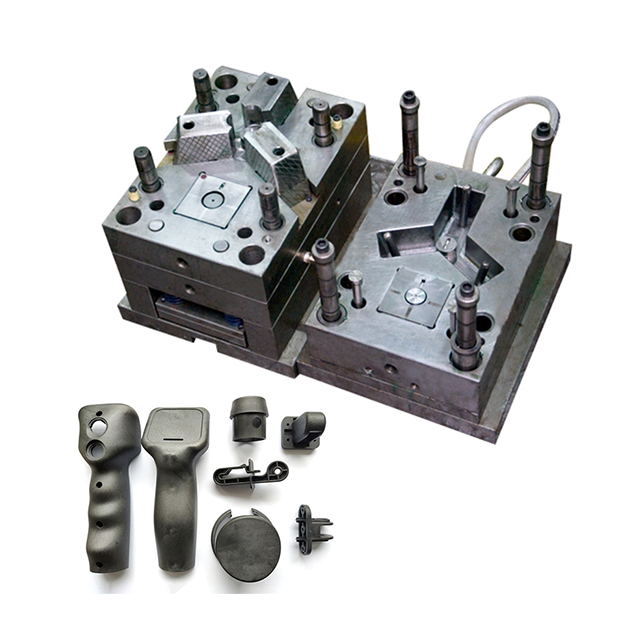
Strict tolerances drastically increase tooling prices unnecessarily. Internal gear mechanisms in a retractable leash require extreme precision. They might need a high precision plastic injection mold for reliable daily function. Complex mechanical leash internals behave much like a durable automotive part under constant stress. Conversely, standard static items do not need this extreme accuracy. A simple food scoop or basic litter pan forgives minor dimensional variations. Over-engineering tolerances on simple items wastes your tooling budget unnecessarily. Focus your precision budget only where functional fit matters most.
The specific resin choice directly impacts fundamental tooling design. Chew toys often use FDA-approved TPE materials. TPE behaves very differently than the high-impact ABS used in pet crates. Different plastics feature distinct shrink rates during cooling. Mold engineers must scale the tool cavities to match these specific shrink rates exactly. Furthermore, resin properties dictate cooling channel placement entirely. They also determine optimal gating requirements to prevent cosmetic surface defects. You cannot easily switch resin families after cutting the tool steel.
Many pet accessories must meet strict safety guidelines today. Your mold design must accommodate the specific flow behaviors of food-safe plastics. Biocompatible materials often require highly polished mold surfaces to prevent bacterial growth. The tooling must not degrade the delicate material during high-pressure injection. Engineers often eliminate dead spots inside the runner system proactively. This prevents plastic degradation and ensures chemical compliance for pet feeders.
Evaluating the risk of using family molds proves crucial for buyers. Family molds produce multiple different parts of an assembly during one shot. You might mold the top and bottom halves of a pet carrier simultaneously. This strategic approach saves substantial upfront tooling costs. You only pay for one mold base instead of two distinct molds. However, it severely complicates daily process control. The plastics might fill unevenly if the parts vary greatly in size. This pressure imbalance often causes flash or short shots on one component.
Capacity decisions directly affect your chosen injection molding machines. Multi-cavity capacities naturally demand much larger presses. A 16-cavity mold requires significantly higher tonnage to keep the tool closed under pressure. Running a high-tonnage machine fundamentally increases your hourly press rate. You must calculate whether the increased hourly rate negates your cycle time savings. Usually, the massively increased output easily outpaces the higher machine cost. However, rigorous math prevents unpleasant surprises during production runs.
You must factor in necessary mold maintenance intervals based on capacity. Multi-cavity molds contain significantly more moving parts like ejector pins and slides. They require frequent lubrication and meticulous visual inspection. Furthermore, material abrasiveness accelerates tool wear tremendously. Heavy-duty dog carabiners often utilize abrasive glass-filled nylons. These aggressive resins erode gate areas rapidly over time. Planners must schedule regular downtime to maintain dimensional integrity and prevent unexpected tool failures.
Selecting the right manufacturing partner mitigates severe project risk. You should always request relevant case studies early. Ask to see successful projects specifically from the competitive pet industry. Competent suppliers will provide detailed DFM (Design for Manufacturability) reports readily. These reports highlight potential sink marks or draft angle issues before cutting steel. A reliable pet accessory injection mold supplier anticipates inherent design flaws proactively. They save you time and money through expert guidance.
You must carefully assess a supplier’s policy on mold life guarantees. Tooling represents a major financial asset on your balance sheet. Reputable builders classify molds based on strict SPI industry standards. A robust Class 101 mold typically carries a firm guarantee for one million cycles. Get these lifespan guarantees explicitly written into your final manufacturing contract. This legal step protects your investment if premature wear occurs unexpectedly.
Many suppliers outsource the actual mold fabrication to third-party shops. This disjointed approach introduces significant communication delays and quality risks. Selecting a supplier who builds and maintains the mold in-house provides immense risk-reduction benefits. If a delicate cavity gets damaged during production, an in-house tool room can repair it immediately. This critical vertical integration keeps your supply chain highly responsive and efficient.
Aligning your mold capacity choice with realistic market projections ensures true financial efficiency. Buyers should carefully map their 12-to-24-month sales forecasts directly against multiple tooling quotes. This analytical approach helps find the best overall value for your upcoming project. Do not automatically default to the cheapest mold if high volumes are eventually expected. A slightly higher upfront investment often yields massive downstream savings.
Take a highly proactive approach to your entire tooling strategy today. We encourage engineering teams to request a comprehensive DFM analysis early in the design phase. Secure a customized tooling quote based entirely on your exact volume requirements. Early collaboration prevents costly late-stage redesigns and accelerates your critical time to market.
A: Standard lead times typically span four to eight weeks. Complex geometries, high cavity counts, and hardened steel requirements extend this timeframe naturally. Softer aluminum prototype tools might finish in just two weeks. Working closely alongside your tooling engineers ensures you establish realistic project timelines upfront.
A: Molds generally cannot be upgraded to add more cavities later. The internal cooling channels and ejector systems are custom-machined for the initial layout. You must machine an entirely new mold for multi-cavity production. This physical reality makes careful initial capacity planning absolutely critical for growing product lines.
A: The tooling steel itself is not FDA regulated. However, the mold must be designed carefully to avoid dead spots inside the runner system. Manufacturers must use food-safe lubricants if molding FDA-compliant resins for feeders and toys. Proper tool design prevents resin degradation and maintains material compliance safely.


