


Views: 0 Author: Site Editor Publish Time: 2026-10-21 Origin: Site


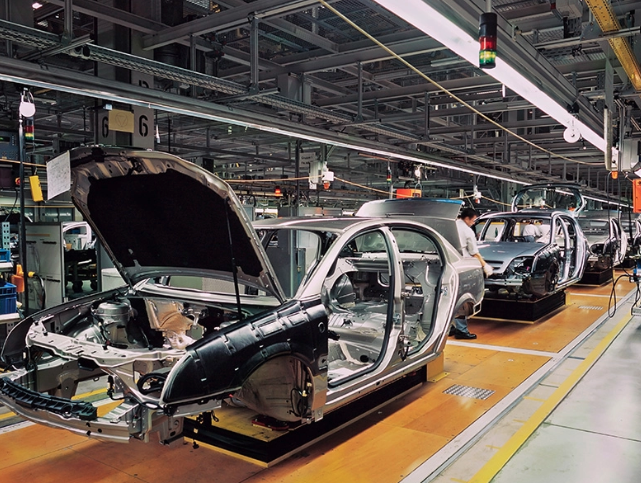
Why do automotive mold projects demand more than standard tooling? A small design flaw can cause costly defects, delays, or assembly problems.
An Automotive Mold must meet demanding requirements for precision, durability, and consistency. This article explores key design differences, material choices, quality controls, and supplier selection.
Automotive components operate under conditions that many standard plastic products never experience. Interior parts may face repeated contact, vibration, and temperature changes. Exterior components must withstand sunlight, moisture, road debris, and seasonal weather. Under-hood parts may encounter elevated temperatures, engine fluids, and repeated thermal cycles. These conditions influence material selection, mold design, and validation requirements from the beginning of a project.
An automotive mold project must start with a clear understanding of the component's function. Engineers need to know where the part will be installed, which components it connects to, and what loads it must withstand. They should also consider the expected service environment and required appearance. A decorative trim panel, for example, may need consistent grain and gloss. A mounting bracket may instead prioritize dimensional accuracy and mechanical strength. Both require good tooling, but their critical quality characteristics differ.
Standard molding projects can also involve demanding specifications. The difference is not that every automotive component requires the same strict tolerance. Instead, automotive projects often involve more interconnected requirements and formal approval steps. A dimensional error may affect assembly, while a material issue may reduce long-term durability. These risks must be considered together during design and production planning.
Note: Define the component's operating environment, functional requirements, and critical dimensions before requesting a mold quotation.
Automotive parts rarely function in isolation. They often connect to brackets, clips, fasteners, seals, electrical connectors, or neighboring panels. Their geometry must therefore support accurate assembly across multiple components. A small dimensional deviation may create gaps, misalignment, unwanted movement, or difficulty during installation. These problems can affect assembly efficiency even when an individual molded part looks acceptable.
Automotive mold design should consider the complete assembly rather than the plastic part alone. Engineers need to review mounting points, datum references, hole positions, snap-fit features, and contact surfaces. They should identify which dimensions control assembly and which allow reasonable variation. This prevents teams from applying unnecessarily tight tolerances to every feature. It also helps mold makers focus machining accuracy on the areas that matter most.
Design for manufacturability is equally important. Deep ribs, undercuts, thin walls, and complex curved surfaces can increase tooling difficulty. Some features may require slides, lifters, or specialized ejection systems. Engineers should assess these requirements before approving the mold structure. Early communication between the buyer, product designer, and mold manufacturer can reduce revisions and shorten the path to production approval.
For automotive-specific applications, review Quanhao's Automotive Part category to explore relevant product offerings and discuss component requirements.
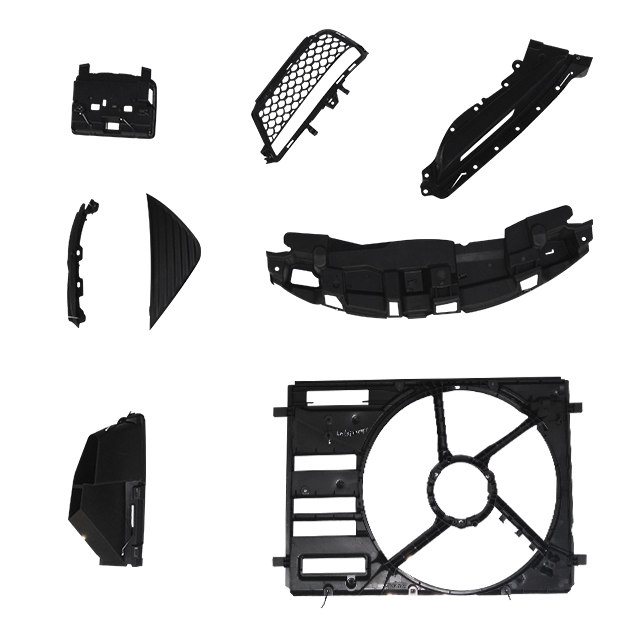
Automotive components often combine multiple functional features in a single molded part. These may include mounting bosses, reinforcing ribs, clips, openings, curved surfaces, and textured areas. The mold must reproduce these features accurately while allowing the part to cool and eject without damage. Complex geometry can also create uneven wall thickness, restricted material flow, and difficult tooling access. Each issue requires attention during the design stage.
Mold designers should review the part's geometry before deciding on the parting line, gate position, cavity arrangement, and ejection method. They must also determine whether side actions are necessary for undercuts. These choices influence tooling cost, maintenance needs, and production stability. A poorly positioned parting line may leave unwanted marks on a visible surface. An unsuitable gate location may create weld lines near a critical mounting feature.
Computer-aided design and mold flow analysis can help engineers identify risks before machining begins. These tools can indicate potential filling problems, pressure differences, and cooling imbalances. However, simulation results depend on the accuracy of the input data and assumptions. Physical mold trials remain necessary to verify real production performance. A sound engineering process combines digital analysis, experienced design judgment, and measured trial results.
Automotive programs may require repeated production over extended periods. The mold must maintain its dimensions and operating reliability throughout the agreed production volume. Tool steel, heat treatment, moving components, and maintenance access all affect service life. The correct tooling specification depends on expected output, resin properties, surface requirements, and the component's design complexity.
A mold intended for a short prototype run may not need the same construction as a tool designed for sustained mass production. However, selecting a low-cost tool without considering future demand can create higher costs later. Wear may affect shut-off surfaces, slides, cavity details, and parting lines. These changes can lead to flash, dimensional drift, or more frequent repairs. The resulting interruptions may affect production schedules and customer deliveries.
Buyers should discuss expected annual demand, total lifetime quantity, cycle targets, and maintenance responsibilities before approving tooling. They should ask which components are likely to wear and how they can be replaced or repaired. The supplier should also explain the planned inspection and maintenance process. These discussions make tooling costs easier to compare on a like-for-like basis. They also help ensure the mold's construction matches the actual manufacturing program.
Tip: Compare mold quotations by expected production life, maintenance requirements, and validated output—not only by initial price.
Material selection is a key difference between automotive molding and many standard projects. Engineers must consider mechanical loads, temperature exposure, chemical contact, moisture, and long-term dimensional stability. Different resins offer different combinations of strength, impact resistance, stiffness, and heat performance. The right choice depends on the component's function rather than a general preference for one plastic.
Polypropylene is common in many interior and exterior applications because it offers low density and useful chemical resistance. ABS and PC/ABS blends may suit housings and interior components requiring impact resistance and an attractive finish. Glass-fiber-reinforced nylon can support stronger structural features, although fiber orientation may affect shrinkage and dimensional stability. These are examples, not universal material recommendations. Engineers should confirm the exact grade and supplier data for each project.
The mold must accommodate the selected resin's processing behavior. Shrinkage characteristics influence cavity dimensions, while flow behavior affects gate design and filling. Reinforced plastics may also increase tool wear in some applications. Moisture-sensitive materials may require controlled drying before molding. If the material changes after tooling approval, the team should review the impact on dimensions, processing conditions, and part performance.
Material approval should therefore happen early. Buyers should document the resin grade, color, additives, and any customer-specific restrictions. The supplier can then evaluate whether the planned tooling and process suit those requirements. This reduces the risk of costly changes after mold manufacturing has started.
Quality control for automotive molding extends beyond checking whether a sample part looks correct. Manufacturers must establish measurable acceptance criteria and demonstrate that the production process can meet them consistently. Depending on the customer and program, requirements may include documented dimensional inspections, material verification, functional tests, process risk reviews, and formal production approval.
Automotive quality systems often use methods such as Advanced Product Quality Planning (APQP) and the Production Part Approval Process (PPAP). Their applicability and submission requirements depend on the customer, contract, and supply-chain role. They should not be assumed mandatory for every automotive project. When required, these processes help document design risks, inspection methods, approved materials, and production readiness.
Traceability is also important. Teams may need to connect material batches, production settings, inspection records, and finished parts. This supports investigation when defects appear and helps identify affected production lots. Measurement methods must be suitable for the feature being checked. Critical dimensions may require dedicated fixtures or coordinate measuring equipment, while surface appearance needs defined visual standards.
Buyers should confirm quality expectations before placing the order. Ask which records will be supplied, which tests are included, and who approves the final samples. Clear agreements reduce uncertainty during launch and help both parties understand what successful validation means.
Note: Verify the customer's specific quality system, inspection plan, and approval requirements before production. Do not assume one certification or document package applies to every project.
Automotive projects benefit from structured reviews before the mold enters production. Engineers should examine the part model, critical dimensions, material choice, gate locations, cooling layout, and ejection strategy. They should also review likely failure modes and identify features that could affect assembly or performance. Addressing these issues early is usually easier than modifying a completed mold.
Mold flow analysis can help evaluate filling patterns, weld-line locations, pressure distribution, and possible cooling imbalances. The team can use these findings to compare design options and investigate high-risk features. Still, simulation cannot guarantee that the final part will meet every requirement. Actual performance depends on tooling accuracy, material behavior, machine settings, and production conditions.
During mold trials, technicians should check whether the cavity fills correctly and whether parts eject without damage. They should measure critical dimensions and examine surface quality. Trial results should be compared against approved drawings and acceptance criteria. If defects appear, the team should document their location, likely cause, and corrective action. Revised samples should then be inspected again.
A clear approval process helps prevent unresolved issues from moving into mass production. Buyers should agree on trial quantities, inspection responsibilities, and acceptance procedures before testing begins. They should also define how engineering changes will be reviewed and approved. This approach improves communication and provides a record of decisions throughout the project.
Even a well-designed automotive mold cannot guarantee consistent parts without suitable process control. Injection speed, pressure, melt temperature, mold temperature, cooling time, and material condition can all affect the result. Changes in these variables may cause dimensional drift, surface defects, or incomplete filling. Manufacturers must establish a stable process and monitor the features that matter most.
A production control plan should identify important process parameters, inspection points, and response actions. Operators need clear instructions for handling deviations. Where appropriate, statistical process control can help detect trends before parts move outside specification. The level of monitoring should reflect the component's risk, production volume, and customer requirements.
Preventive maintenance is equally important. Cooling channels may accumulate deposits, moving parts may wear, and cavity surfaces may become damaged. These issues can gradually affect cycle time, part release, and dimensions. Scheduled inspections should follow the mold's actual operating conditions and production history. Maintenance records help teams understand recurring problems and plan repairs before a major interruption occurs.
Manufacturers should also define what happens after a tool modification. Depending on the change, they may need to repeat dimensional checks, functional tests, or customer approval steps. Documenting these actions protects process consistency and reduces uncertainty. The goal is not simply to produce an acceptable first sample. It is to maintain repeatable output throughout the agreed production program.
Tip: Ask suppliers to explain their trial procedure, process monitoring, maintenance schedule, and method for approving tooling changes.
Automotive mold costs depend on more than the size of the tool. Part complexity, cavity count, steel selection, surface finish, precision requirements, and production volume all influence the quotation. Slides, lifters, hot-runner systems, and specialized cooling arrangements may add complexity when the part design requires them. Inspection and validation activities can also affect the project budget.
A low initial quotation may not represent the lowest total cost. A mold that requires frequent repairs or produces inconsistent parts can increase scrap, labor, and downtime. Late design changes may also require additional machining or replacement components. These expenses can outweigh the original savings, especially during high-volume production.
Buyers should request a clear breakdown of tooling scope and assumptions. Confirm the mold structure, expected service life, included trials, inspection requirements, and maintenance responsibilities. Also clarify whether material changes or design revisions will affect the quotation. Comparing suppliers against the same technical requirements makes the decision more reliable.
Early collaboration can prevent avoidable costs. A design review may identify features that are difficult to mold or unnecessarily expensive to manufacture. Engineers can then assess alternatives without compromising essential performance. The best solution balances functional requirements, production stability, tooling investment, and expected lifetime demand.
Automotive mold projects often involve several linked stages. These may include design review, mold construction, component machining, assembly, trial molding, sample inspection, and production approval. Delays in one stage can affect later activities. Unclear drawings or late material changes can also cause rework before the tool is ready.
A realistic schedule should account for tooling complexity and the time needed to resolve trial defects. Buyers should agree on design-freeze dates, sample delivery milestones, inspection responsibilities, and approval procedures. They should also identify which decisions require customer sign-off. This reduces the risk of waiting for missing information during manufacturing.
Production readiness should be based on verified results rather than a calendar date alone. If trial samples fail critical requirements, the team needs time to investigate and correct the problem. Rushing approval can transfer unresolved risks into mass production. A structured schedule includes time for testing, corrective actions, and final confirmation.
Regular communication helps maintain progress. Suppliers should report design issues, machining concerns, and trial results promptly. Buyers should provide consolidated feedback and approve revisions without unnecessary delays. When both parties manage changes carefully, they can reduce schedule uncertainty and improve the chance of a smooth production launch.
Choosing an automotive mold supplier requires more than reviewing machinery or comparing prices. Buyers should assess the supplier's experience in similar component types, tooling complexity, resin grades, and production volumes. A supplier experienced in simple housings may not automatically be suitable for complex parts requiring demanding surface finishes or tight assembly tolerances.
Review the supplier's engineering process and machining resources. Ask how it handles mold design, cavity machining, assembly, inspection, and trial production. Request examples of relevant work where available, while respecting customer confidentiality. It is also useful to understand how the supplier manages design changes and investigates recurring defects.
Dongguan Quanhao Plastic Mold Co., Ltd. was founded in 2018 and operates a factory of approximately 2,000 square meters. Its company profile describes a team of more than ten skilled mold technicians, including employees with extensive molding industry experience. Its services cover plastic molds and injection molded parts for automotive and other industries. Buyers can explore Custom Injection Molding Parts for Automotive to review a relevant product offering.
However, buyers should verify project-specific capabilities directly. Confirm whether the supplier can meet your required tolerances, material specifications, quality documentation, and production targets. Certification status should also be checked rather than assumed from general product descriptions.
A reliable manufacturing partner should communicate clearly from the first design review through production launch. The supplier should identify unclear requirements, explain technical risks, and provide practical feedback before tooling decisions become difficult to change. Clear communication is particularly important when several teams manage design, purchasing, quality, and production.
Buyers should also confirm which documents and inspection records the supplier can provide. Depending on the project, these may include mold drawings, dimensional reports, trial records, material documentation, and maintenance instructions. Customer-specific approval documents may require separate agreement. Responsibilities should be clear before the project begins.
After-sales support also deserves attention. Ask how the supplier handles mold repairs, replacement components, technical questions, and future engineering changes. Confirm how quickly issues can be assessed and how corrective actions will be documented. Long-term support matters because automotive programs may continue after the original tooling project has finished.
The final decision should reflect technical suitability, quality control, communication, delivery reliability, and total ownership cost. A supplier that understands the component's functional requirements can help identify risks earlier. This improves project coordination and supports more stable production. Buyers should choose a partner based on verifiable capabilities rather than broad claims alone.
Tip: Before placing an order, provide the part drawings, 3D files, resin grade, target volume, critical tolerances, and customer-specific quality requirements.
Automotive Mold manufacturing requires precise design, suitable materials, and strict quality control. Careful validation reduces defects, delays, and long-term production costs.
Dongguan Quanhao Plastic Mold Co., Ltd. provides custom automotive injection molds and plastic parts. Its manufacturing services help buyers achieve consistent quality and reliable production.
A: Automotive Mold projects require precise tooling, durable materials, and strict quality control.
A: Automotive mold design ensures accurate assembly, reliable performance, and consistent part quality.
A: Manufacturers use mold trials, dimensional inspections, and production validation.
A: Yes. Complex geometry, tight tolerances, and longer mold life requirements can increase tooling costs.
A: Evaluate engineering experience, machining capabilities, inspection procedures, and after-sales support.


