


Views: 0 Author: Site Editor Publish Time: 2025-11-17 Origin: Site


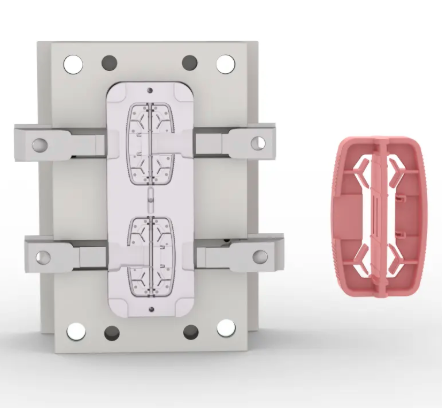
Plastic injection molding has emerged as a cornerstone in the manufacturing of custom parts across various industries. This process, known for its efficiency and precision, has become the go-to solution for producing complex components with high repeatability. The versatility of plastic injection molding allows it to cater to a wide range of applications, from automotive to consumer electronics. In this article, we will delve into the reasons why plastic injection molding is favored for custom parts, examining its advantages, applications, and the technological advancements that continue to enhance its capabilities.
Plastic injection molding is a manufacturing process that involves injecting molten plastic into a mold cavity, where it cools and solidifies into the desired shape. This technique is renowned for its ability to produce parts with intricate geometries and tight tolerances. The process begins with the creation of a mold, typically made from steel or aluminum, which defines the shape of the final product. Once the mold is ready, plastic pellets are melted and injected into the mold under high pressure. After cooling, the mold is opened, and the finished part is ejected.
The precision and repeatability of plastic injection molding make it ideal for producing large volumes of identical parts. This process is not only efficient but also cost-effective, especially for high-volume production runs. Moreover, the ability to use a wide variety of plastic materials, including thermoplastics and thermosetting polymers, adds to its versatility. The choice of material can be tailored to meet specific performance requirements, such as strength, flexibility, or resistance to environmental factors.
One of the primary advantages of plastic injection molding is its ability to produce complex shapes with high precision. This is particularly beneficial for custom parts that require intricate designs or detailed features. The high level of accuracy achievable with injection molding ensures that each part meets the exact specifications, reducing the need for additional machining or finishing processes.
Another significant advantage is the scalability of the process. Once the mold is created, it can be used to produce thousands or even millions of parts with consistent quality. This scalability makes plastic injection molding an attractive option for industries that require large quantities of custom parts, such as the automotive and consumer electronics sectors. Additionally, the process is highly automated, which reduces labor costs and increases production efficiency.
The material versatility of plastic injection molding also plays a crucial role in its widespread adoption. Manufacturers can choose from a wide range of plastic materials, each offering different properties and benefits. For example, engineering plastics like polycarbonate and nylon provide excellent mechanical properties, while materials like polypropylene and polyethylene are known for their chemical resistance and flexibility. This flexibility in material selection allows manufacturers to tailor the properties of the final product to meet specific application requirements.
Plastic injection molding is utilized in a wide array of industries, each benefiting from its unique advantages. In the automotive industry, for instance, injection molding is used to produce a variety of components, from dashboard panels to engine parts. The ability to produce lightweight yet durable parts is particularly advantageous in this sector, where reducing vehicle weight is a constant goal.
In the medical field, plastic injection molding is employed to manufacture precision components such as syringes, surgical instruments, and diagnostic devices. The process's ability to produce parts with tight tolerances and high cleanliness standards is essential in this industry, where precision and hygiene are paramount. Additionally, the use of biocompatible materials ensures that the products are safe for medical applications.
The consumer electronics industry also heavily relies on plastic injection molding for producing components like housings, connectors, and buttons. The process's efficiency and ability to produce high-quality finishes make it ideal for consumer products, where aesthetics and functionality are equally important. Furthermore, the ability to incorporate features such as snap-fits and overmolding enhances the design possibilities for electronic devices.
Recent technological advancements have further enhanced the capabilities of plastic injection molding, making it an even more attractive option for custom parts production. One such advancement is the development of computer-aided design (CAD) and computer-aided manufacturing (CAM) technologies, which allow for more precise mold design and production. These technologies enable manufacturers to create highly detailed molds with complex geometries, reducing the time and cost associated with mold fabrication.
Another significant advancement is the integration of automation and robotics into the injection molding process. Automated systems can handle tasks such as material handling, part inspection, and packaging, further increasing production efficiency and reducing labor costs. Robotics also enhance the precision and consistency of the process, ensuring that each part meets the required specifications.
The use of advanced materials is also shaping the future of plastic injection molding. New materials with enhanced properties, such as high-temperature resistance or improved impact strength, are expanding the range of applications for injection-molded parts. Additionally, the development of biodegradable and recycled plastics is addressing environmental concerns, making the process more sustainable.
Despite its many advantages, plastic injection molding does present certain challenges that manufacturers must consider. One of the primary challenges is the initial cost of mold creation. Designing and fabricating a mold can be expensive, especially for complex parts with intricate designs. However, this cost is often offset by the long-term savings achieved through high-volume production.
Another consideration is the lead time required for mold production. The process of designing, testing, and refining a mold can take several weeks or even months, depending on the complexity of the part. This lead time must be factored into the production schedule, particularly for projects with tight deadlines.
Material selection is also a critical consideration in plastic injection molding. The chosen material must meet the performance requirements of the final product while being compatible with the injection molding process. Factors such as melting temperature, flow characteristics, and shrinkage rates must be carefully evaluated to ensure optimal results.
In conclusion, plastic injection molding remains a preferred solution for producing custom parts due to its precision, efficiency, and versatility. The process's ability to produce complex shapes with high repeatability makes it ideal for a wide range of applications, from automotive to medical devices. Technological advancements continue to enhance the capabilities of plastic injection molding, making it an even more attractive option for manufacturers. Despite the challenges associated with mold creation and material selection, the long-term benefits of injection molding often outweigh these considerations. As industries continue to demand high-quality custom parts, plastic injection molding will undoubtedly remain a key player in the manufacturing landscape.


