


Views: 0 Author: Site Editor Publish Time: 2025-11-12 Origin: Site


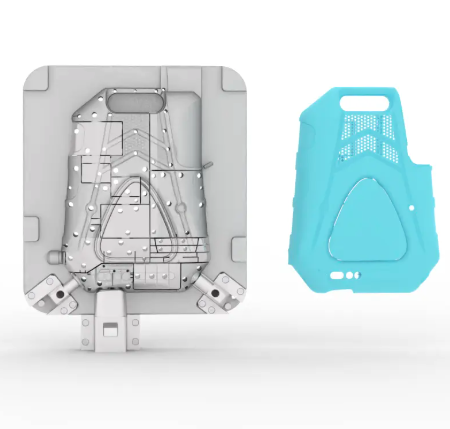
Injection molding is a manufacturing process that has revolutionized the production of plastic parts. It involves injecting molten material into a mold to form a desired shape. This method is widely used across various industries, including automotive, medical, and consumer electronics, due to its efficiency and ability to produce complex geometries with high precision. In this comprehensive guide, we will explore the intricacies of injection molding, from design to production, and discuss its significance in modern manufacturing. For those interested in the applications of injection molding, this guide will provide valuable insights.
Injection molding begins with the creation of a mold, which is typically made from steel or aluminum. The mold is designed to form the shape of the desired product. Once the mold is ready, the injection molding machine heats the plastic material until it becomes molten. This molten plastic is then injected into the mold cavity under high pressure. After cooling, the mold opens, and the solidified part is ejected.
The process parameters, such as temperature, pressure, and cooling time, are crucial in determining the quality of the final product. These parameters must be carefully controlled to avoid defects such as warping, sink marks, or incomplete filling. The choice of material also plays a significant role in the process. Common materials used in injection molding include thermoplastics like ABS, polycarbonate, and nylon, each offering unique properties suitable for different applications.
Designing for injection molding requires a thorough understanding of the process and its limitations. One of the primary considerations is the draft angle, which facilitates the easy removal of the part from the mold. Without adequate draft angles, parts may stick to the mold, leading to defects and increased production time.
Wall thickness is another critical factor. Uniform wall thickness helps in achieving consistent cooling and reduces the risk of warping. Designers must also consider ribbing, bosses, and other features that can enhance the structural integrity of the part without compromising its manufacturability. For more detailed guidance on designing injection molding product, resources are available that delve into these aspects extensively.
The tooling phase is critical in injection molding as it involves the creation of the mold that will shape the final product. This phase is often the most time-consuming and costly part of the process. The mold must be designed with precision to ensure that it can withstand the high pressures and temperatures of the injection process.
Tooling involves several steps, including mold design, CNC machining, and mold assembly. Each step requires meticulous attention to detail to ensure that the mold functions correctly. The choice of material for the mold is also crucial, with steel being the most common due to its durability and ability to produce a high volume of parts. However, aluminum molds are also used for prototyping and low-volume production due to their lower cost and faster machining times.
Advancements in technology have introduced new techniques in mold making, such as 3D printing, which can significantly reduce the time and cost associated with traditional tooling methods. This is particularly beneficial for prototyping and small batch production. More information on injection mold tooling can be found through specialized resources.
Once the mold is ready, the production process can begin. The injection molding machine is set up with the appropriate parameters, including temperature, pressure, and cycle time. The plastic material is fed into the machine, where it is heated and injected into the mold cavity.
The cooling phase is critical as it determines the final properties of the part. Rapid cooling can lead to internal stresses, while slow cooling can result in warping. Therefore, the cooling rate must be optimized to ensure the best quality of the finished product.
After cooling, the mold opens, and the part is ejected. The cycle then repeats for the next part. The efficiency of this process makes injection molding ideal for high-volume production. For those interested in the nuances of plastic injection molding, further exploration into the specifics of the production process is recommended.
Quality control is an integral part of the injection molding process. It ensures that the parts produced meet the required specifications and are free from defects. Several techniques are employed to maintain quality, including visual inspections, dimensional measurements, and material testing.
Advanced technologies such as computer-aided design (CAD) and computer-aided manufacturing (CAM) are used to simulate the injection molding process and predict potential issues before production begins. This proactive approach helps in minimizing defects and improving the overall quality of the parts.
Statistical process control (SPC) is another method used to monitor the production process. By analyzing data collected during production, manufacturers can identify trends and make necessary adjustments to maintain quality. This approach is essential for ensuring the consistency and reliability of injection tooling.
Injection molding is used in a wide range of industries due to its versatility and efficiency. In the automotive industry, it is used to produce components such as dashboards, bumpers, and interior panels. The medical industry relies on injection molding for the production of devices like syringes, surgical instruments, and diagnostic equipment.
Consumer electronics also benefit from injection molding, with parts like housings, connectors, and buttons being manufactured using this process. The ability to produce complex shapes with high precision makes injection molding ideal for these applications.
Additionally, the packaging industry uses injection molding to create containers, caps, and closures. The process's efficiency and cost-effectiveness make it suitable for high-volume production. More insights into the diverse applications of injection molding product can be found through industry-specific resources.
Despite its advantages, injection molding faces several challenges. The initial cost of mold creation can be high, making it less feasible for low-volume production. Additionally, the process requires precise control of parameters to avoid defects, which can be challenging to achieve consistently.
However, advancements in technology are addressing these challenges. The integration of automation and robotics in injection molding is improving efficiency and reducing labor costs. Moreover, the development of new materials and additives is enhancing the properties of molded parts, making them more durable and versatile.
The future of injection molding is promising, with trends such as sustainable manufacturing and the use of recycled materials gaining traction. These developments are not only reducing the environmental impact of injection molding but also opening new opportunities for innovation. For more on the future of plastic injection molding, industry reports and expert analyses provide valuable perspectives.
Injection molding is a cornerstone of modern manufacturing, offering a cost-effective and efficient method for producing high-quality plastic parts. From design to production, each phase of the process requires careful consideration and expertise. As technology continues to evolve, the capabilities of injection molding are expanding, making it an even more valuable tool for industries worldwide.
The challenges faced by the industry are being met with innovative solutions, paving the way for a more sustainable and efficient future. For those involved in manufacturing, understanding the intricacies of injection mold tooling is essential for staying competitive in a rapidly changing market. The insights provided in this guide serve as a foundation for further exploration and application of this versatile manufacturing process.


