


Views: 0 Author: Site Editor Publish Time: 2025-10-10 Origin: Site


Molding design plays a crucial role in modern manufacturing, serving as the foundation for creating precise and high-quality parts. Its importance spans a wide range of industries, from industrial machinery to automotive components. Effective molding design ensures that parts meet strict standards for durability, functionality, and aesthetics. In particular, industrial parts and automotive components rely heavily on advanced molding techniques to achieve the performance and reliability required in today’s competitive markets. This article explores the significance of molding design and its applications across various sectors.
Molding design is the process of creating detailed plans and specifications for molds used in manufacturing parts and components. It plays a vital role in shaping raw materials—typically plastics or metals—into precise, functional products. This design process ensures that the final molded parts meet the required standards for size, shape, strength, and appearance.
Material Selection: Choosing the right material is essential, as it affects the durability, flexibility, and performance of the final product. Designers must consider factors such as heat resistance, tensile strength, and compatibility with the molding process.
Dimensional Accuracy: Accurate measurements and tolerances are critical to ensure that molded parts fit perfectly in their intended applications. Precision in design helps minimize defects and reduces the need for costly adjustments or rework.
Structural Complexity: Molding design must account for the complexity of the part’s geometry. This includes designing features like undercuts, thin walls, and intricate details that require specialized mold configurations or advanced molding techniques.
Overall, molding design bridges the gap between concept and production, enabling manufacturers to create high-quality parts efficiently and cost-effectively.
Molding design for industrial parts requires careful consideration of several specific factors to ensure that the final products meet the demanding standards of industrial applications.
Industrial parts often need to withstand harsh operating conditions, making durability a top priority. The parts must resist wear, corrosion, and mechanical stress. Additionally, precision is crucial to ensure proper fit and function, especially when parts are components of larger machinery. Many industrial parts also feature complex structures, such as intricate internal channels or reinforced sections, which pose unique challenges in mold design.
Common industrial molded parts include gears, valves, housings, and connectors. Each presents its own design challenges:
Gears require precise tooth profiles to ensure smooth operation.
Valves must incorporate complex internal pathways while maintaining tight tolerances.
Housings often need to balance strength with weight reduction, requiring careful wall thickness control.
These complexities demand sophisticated mold designs that can produce detailed features without compromising strength.
To improve production efficiency and reduce costs, mold designers focus on:
Simplifying part geometry where possible to minimize mold complexity.
Using modular mold components that can be adapted for multiple parts.
Incorporating efficient cooling channels to reduce cycle times.
Selecting materials and designs that minimize waste and rework.
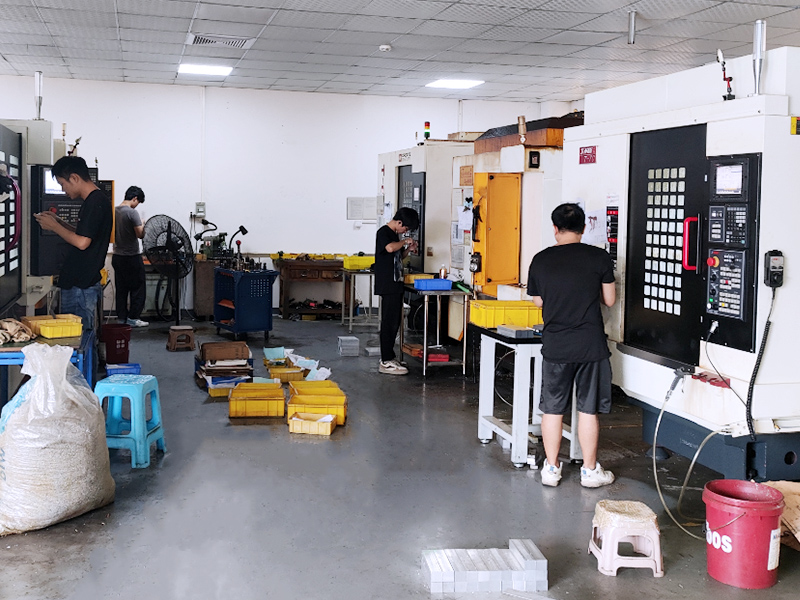
Molding design plays a vital role in the automotive industry, where components must meet strict standards for safety, performance, and aesthetics.
Automotive parts are subject to rigorous regulations and quality standards to ensure passenger safety and vehicle reliability. Molding designs must comply with these standards, including impact resistance, fire retardancy, and tolerance for extreme temperatures. The design process also emphasizes precision to guarantee that parts fit perfectly within the complex assembly of a vehicle.
Different automotive components have unique molding design needs:
Dashboards: Require smooth finishes and ergonomic shapes, often incorporating complex curves and embedded features like air vents or display panels.
Lighting Components: Demand transparency or translucency with precise lens shapes for optimal light distribution. The molding process must minimize defects like warping or bubbles.
Engine Parts: Need to withstand high temperatures and mechanical stress, often requiring robust materials and designs that optimize cooling and durability.
Well-executed molding design directly influences the performance and lifespan of automotive parts. Properly designed molds reduce material waste and defects, improve strength, and ensure consistent quality. This leads to enhanced durability, lower maintenance needs, and better overall vehicle safety and functionality.
Molding design plays a vital role across many industries beyond just automotive and industrial parts. Its ability to deliver precise, customized solutions makes it indispensable for producing high-quality, functional products tailored to specific needs.
Medical devices and components, such as syringes, surgical instruments, and diagnostic equipment, require extremely precise molding to meet strict safety, hygiene, and regulatory standards. These parts often have complex shapes and fine details, demanding tight tolerances and flawless production to ensure patient safety and device effectiveness.
In consumer electronics, molding design focuses on creating durable yet visually appealing housings, connectors, and internal components. The molds must support sleek designs with fine textures and tight fits to protect delicate electronic parts while enhancing the overall user experience.
Household items like kitchen utensils, storage containers, and decorative accessories depend on molding designs that balance cost-effectiveness with ergonomic comfort and aesthetic appeal. Durability and ease of use are key considerations, requiring molds that produce consistent, reliable parts for everyday use.
Various industries have unique molding requirements, such as multi-material molding, insert molding, or the use of eco-friendly materials. Tailored mold designs help manufacturers meet these specialized needs while optimizing production efficiency and product performance.
Through flexible and innovative molding design approaches, manufacturers can cater to diverse applications, ensuring high-quality, functional, and cost-effective products across multiple sectors.
Modern molding design leverages advanced technologies and materials to improve precision, efficiency, and product quality.
Computer-Aided Design (CAD) software has revolutionized the way molds and parts are designed. Designers can create highly detailed 3D models that accurately represent the final product. Coupled with advanced simulation tools, these technologies allow engineers to predict how molten materials will flow, cool, and solidify inside the mold. This helps identify common manufacturing issues such as warping, sink marks, or air traps before the actual mold is produced, significantly reducing costly trial-and-error cycles and speeding up time-to-market.
3D printing has become an essential tool in modern molding design by enabling the rapid creation of prototype molds or complex part geometries that are difficult to produce using traditional methods. This technology allows designers to quickly test and refine their mold concepts, ensuring optimal fit, function, and aesthetic appeal. Rapid prototyping not only accelerates development timelines but also lowers costs by catching design flaws early, preventing expensive reworks during mass production.
New materials, such as high-performance polymers and composites, offer enhanced strength, heat resistance, and flexibility. Advanced molding processes like multi-shot molding and micro-injection molding enable the production of intricate, multi-material parts with superior quality and durability.
Molding design is a critical part of manufacturing across many industries, from automotive to medical and consumer products. Its role in ensuring precision, durability, and efficiency cannot be overstated. Looking ahead, innovations like advanced simulation, 3D printing, and new materials will continue to drive improvements in molding design. To achieve the best results, partnering with professional molding design services is essential—they bring expertise that guarantees high-quality products and efficient production processes.


